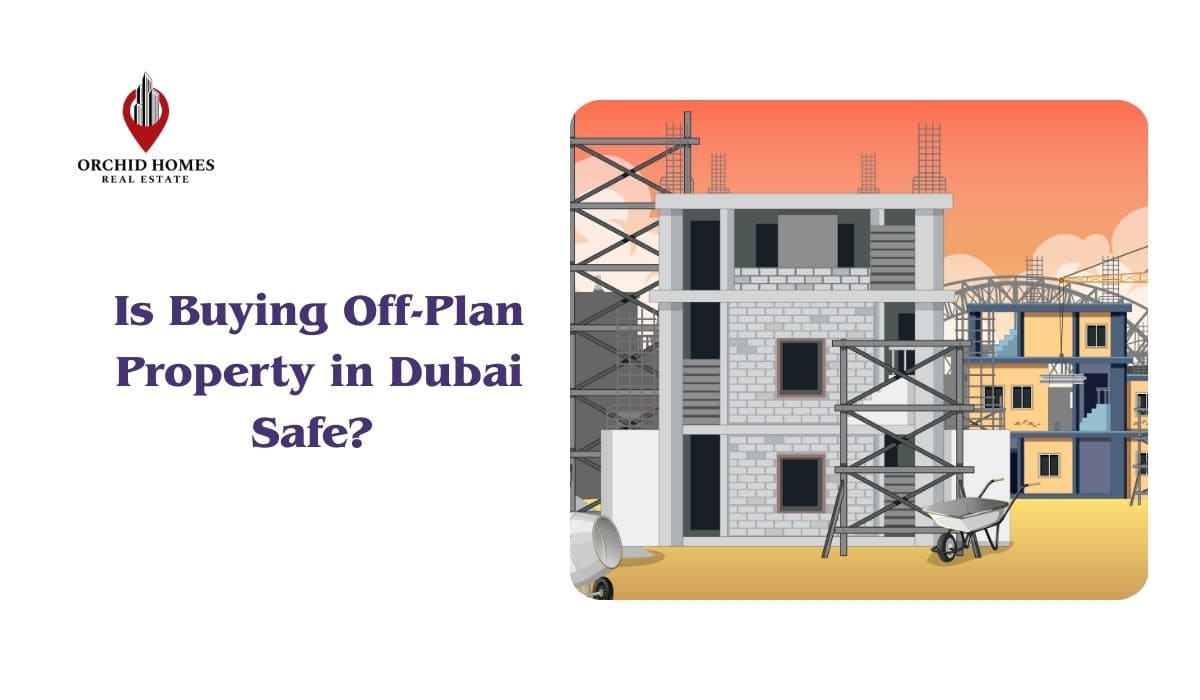
Yes, purchasing off-plan property in Dubai continues to be safe, provided buyers adhere carefully to legal procedures. The city enforces strict real estate regulations that safeguard buyers at every stage of the transaction.
Off-plan property means purchasing real estate before construction finishes in approved Dubai developments. Dubai attracts global investors through strong infrastructure, transparent regulations, and consistent economic growth. Government-backed development zones and master planned communities support off-plan investment confidence.
International demand rises because Dubai offers tax efficiency, lifestyle appeal, and stable property yields. However, many buyers worry about construction delays, developer reliability, and potential project cancellations.
Market history included scams, which created caution among first-time off-plan purchasers. Clear rules and oversight now address the question is it safe to buy off plan in Dubai? Investors today expect accountability, transparency, and timely delivery from registered developers.
This guide explains safety measures, laws, and RERA rules governing off-plan purchases. You will learn how escrow accounts registration requirements and approvals protect buyer funds.
What are off-plan properties in Dubai
Before moving to the legal framework of off-plan properties in Dubai, it is important to understand the basics.
a. Definition of Off-Plan Real Estate in Dubai
Off-plan property in Dubai refers to real estate purchased before construction reaches completion stages. Buyers commit based on floor plans, project specifications, and approved developer master plans. Dubai authorities strictly regulate off-plan real estate through RERA registration and project approvals.
This property type commonly includes apartments, villas, and townhouses within planned communities.
b. How Off-Plan Purchases Work in Dubai
Buyers select a registered project from a RERA-approved developer within Dubai. Sales (SPA) agreements outline unit details, construction timelines, and linked payment schedules clearly. Developers deposit buyer funds into escrow accounts under the supervision of the Dubai Land Department. Ownership registration begins after contract signing through the official Oqood system.
c. Difference between Off-Plan and Ready Property
Off-plan property involves future delivery, while ready property allows immediate possession. Ready properties require full payment or mortgage approval at purchase completion.
Off-plan options usually offer lower entry prices compared to completed units. Investors often accept waiting periods in exchange for potential capital appreciation.
Is it Safe to Buy Off Plan in Dubai?
Yes, buying off-plan property in Dubai remains safe when buyers follow legal procedures carefully. Dubai enforces strict real estate laws that protect buyers throughout the purchase process.
Government oversight ensures transparency and accountability across all registered off-plan developments. Informed decisions and proper checks significantly reduce risks associated with off-plan investments.
a. Dubai’s Strong Regulatory Environment
Dubai operates under a well-structured real estate regulatory framework. The Dubai Land Department governs all property transactions and development approvals. RERA establishes rules that developers must follow before selling off-plan units.
Project registration remains mandatory before any off-plan property enters the market. Clear regulations improve investor confidence and market stability across Dubai real estate.
b. Role of Government Oversight
Government authorities actively monitor off-plan projects from launch through final completion stages. Here is how:
- Escrow account laws require developers to deposit buyer funds into regulated project accounts.
- Authorities release funds only after verified construction milestones meet approved standards.
- Regular audits and inspections prevent misuse of buyer payments during construction phases.
- Strong enforcement actions apply penalties against developers who violate established regulations.
c. How Dubai Differs from Unregulated Markets
Dubai differs from unregulated markets through centralized control and transparent property records. Authorities publish developer licenses, project approvals, and ownership records publicly.
Buyers can access verified information through official platforms before committing any payments. Unregulated markets often lack escrow protection and consistent enforcement mechanisms. Dubai offers legal clarity that reduces fraud risks common in loosely regulated regions.
d. Importance of Buyer Awareness and Due Diligence
Buyer awareness plays a crucial role in ensuring safe off-plan property purchases. Due diligence begins with verifying developer registration and project approval status.
Buyers should review sales agreements, payment schedules, and completion timelines carefully. Professional legal advice adds additional protection during contract review stages.
Market research helps buyers understand pricing trends and realistic delivery expectations. Informed buyers make confident decisions that align with Dubai’s regulated real estate environment.
What is RERA and how is it Connected to Off-Plan Properties in Dubai?
Dubai Real Estate Regulatory Authority functions as the official regulator of Dubai’s real estate sector. RERA operates under the Dubai Land Department and follows government-approved property laws.
The authority creates rules that organize real estate development sales and broker activities. RERA works closely with the Dubai Land Department to enforce transparency and market discipline.
Dubai Land Department handles ownership registration while RERA manages regulation and compliance. This partnership strengthens buyer confidence and supports sustainable real estate growth. RERA plays a central role in shaping trust across Dubai’s property investment environment.
Key Laws Governing Off-Plan Property in Dubai
Here is a brief overview of key government rules and regulations for off-plan properties in Dubai.
1. Law No. 13 of 2008 – Interim Real Estate Register Law
Law No. 13 of 2008 creates an official register for off-plan real estate sales in Dubai. This register records contracts before units reach the main property register. The law states:
“The Interim Real Estate Register is used to record all disposals of Real Estate Units off plan… Any sale or other disposition that transfers or restricts title shall be void if not recorded.”
Registration protects buyers. This requirement prevents developers from selling the same unit to multiple parties. Off-plan sales cannot be legally enforced unless entered in this register.
Oqood Registration System
Dubai’s off-plan contracts are filed through the Oqood system, operated by the Dubai Land Department. Oqood means official recording of sales before handover. Registered contracts establish legal rights for buyers and allow further legal action in case of disputes.
Legal Status of Off-Plan Contracts
Contracts recorded under this law gain legal standing. The legislation states that a sale not entered in the interim register has no legal effect. This prevents informal agreements outside official oversight. Buyers gain security knowing their interest in a unit exists in the government registry.
2. Law No. 8 of 2007 – Escrow Account Law
Law No. 8 of 2007 mandates that every off-plan project must have a separate escrow account held in a licensed bank. The law states:
“An Escrow Account will be opened in the name of the project and will be dedicated exclusively to the construction of that Real Estate Development project.”
This means buyer payments go into a secure account, not directly into the developer’s business accounts.
How Escrow Accounts Protect Buyers
Escrow accounts protect buyers by holding money until the construction stages are complete. Funds are released only when project milestones meet regulatory checks. This prevents misuse of buyer payments and keeps money dedicated to building the unit.
Restrictions on Fund Withdrawals
The law restricts any attachment of escrow funds by creditors and prevents developers from using funds for unrelated projects. It instructs the escrow agent to manage accounts under strict supervision.
3. Law No. 19 of 2017 – Updates to Interim Register Law
Law No. 19 of 2017 amends Law No. 13 of 2008 and revises the handling of buyer defaults in off-plan contracts. It clarifies developer obligations when buyers fail to meet payment terms.
Impact on Buyers and Developers
The amended Article 11 explains the consequences of a buyer missing payment deadlines. It allows developers to notify the Land Department and take measures such as termination or resale under specified completion thresholds.
If a project cancels, developers must refund buyers based on escrow rules. This law improves clarity on refunds and developer rights in such cases.
4. Law No. 14 of 2008 – Mortgage Law (Relevant Overview)
Law No. 14 of 2008 governs mortgages in Dubai. It states that a mortgage must be registered with the Dubai Land Department to take legal effect. This includes mortgages on off-plan units registered under the interim property register.
Bank Involvement and Safeguards
Banks and licensed financial institutions may grant mortgages on off-plan units if legal requirements are met. The law ensures mortgages protect lenders and buyers by formal registration and clear terms.
Mortgage registration strengthens buyer security and provides legal recourse if financing disputes occur. This law integrates off-plan property into the broader real estate finance system.
Buyer Rights & Legal Protections in Off-plan Transactions
Dubai protects buyers by offering legal protections to ensure safety and transparency in off-plan transactions.
a. Contractual Rights
Sale and Purchase Agreements define buyer rights clearly within Dubai off-plan property transactions. SPAs include detailed unit specifications, approved layouts, and legally binding delivery timelines. These contracts protect buyers through standardized clauses regulated by the Dubai Land Department.
Payment schedules link directly to verified construction milestones rather than fixed calendar dates. Developers receive payments only after achieving approved progress stages confirmed by the authorities. This structure limits financial exposure if construction slows or stops unexpectedly.
Penalty clauses address developer delays beyond agreed grace periods stated within the SPA. Penalties may include compensation credits, extended payment terms, or adjusted completion deadlines. Clear contractual language strengthens buyer confidence and reduces dispute risks significantly. SPAs provide legal enforcement rights through Dubai courts or regulatory dispute channels.
b. Buyer Rights in Case of Delays
Delays occur occasionally, even within regulated off-plan development environments. SPAs define grace periods allowing limited delays without immediate legal consequences. Grace periods usually range between three and twelve months, depending on project size. Developers must notify buyers officially when delays extend beyond the agreed-upon schedules.
Compensation clauses activate after grace periods end without justified regulatory approval. Compensation may include financial penalties or waived installment payments for affected buyers. Some agreements offer rental compensation based on estimated market values.
Buyers may renegotiate timelines or payment structures after extended delays occur. Termination rights arise when delays exceed contractually defined thresholds. Dubai Land Department oversees disputes and ensures the lawful application of termination provisions.
c. Buyer Rights in Case of Project Cancellation
Project cancellation triggers specific buyer protections under Dubai real estate laws. Escrow account regulations govern refund mechanisms after official project cancellation decisions. Developers must submit financial statements and construction records to the authorities.
Dubai Land Department evaluates project status before approving cancellation procedures. RERA supervises the settlement process and protects the buyer’s financial interests.
Escrow funds are distributed based on verified buyer payments and project completion percentages. Authorities prioritize buyer refunds before settling developer obligations or creditor claims.
Buyers receive refunds proportionate to unused construction funds held within escrow accounts. Partial construction expenses reduce refundable amounts only after regulatory verification. This structured process ensures fairness, transparency, and legal certainty for affected buyers.
RERA’s Role in Off-Plan Property
RERA handles the off-plan projects in Dubai in the following ways.
a. Licensing Developers and Brokers
RERA licenses developers before any off-plan project launches in Dubai. Developers must meet financial, technical, and legal requirements for approval.
Licensed brokers also require RERA certification before marketing off-plan properties. Training programs and exams ensure brokers understand property laws and ethical standards.
Unlicensed developers or brokers face penalties and market bans. Licensing rules reduce fraud risks and improve professionalism across the off-plan market.
b. Monitoring Projects and Escrow Accounts
RERA monitors off-plan projects from initial approval through final handover stages. Developers must open escrow accounts for each approved off-plan project.
Buyers deposit payments directly into regulated escrow accounts under RERA supervision. Funds release occurs only after verified construction progress meets approved milestones. Regular inspections confirm that construction aligns with submitted development plans.
Escrow monitoring prevents misuse of buyer funds during construction periods. This system protects buyers against unfinished or abandoned developments.
c. Approving Sales and Advertising
RERA approves all off-plan sales materials before public marketing begins. Developers submit brochures, floor plans, and pricing details for regulatory review. Advertising must reflect approved project details without misleading claims.
RERA audits marketing campaigns to ensure accuracy and compliance. Unauthorized promotions or exaggerated promises lead to strict enforcement actions. Sales approval processes create transparency and realistic buyer expectations.
d. Protecting Buyer Interests
RERA prioritizes buyer protection throughout the off-plan purchase lifecycle. Standardized sale agreements define clear rights and responsibilities for both parties.
Dispute resolution mechanisms allow buyers to file complaints against developers or brokers. RERA investigates violations and coordinates corrective measures when required.
Buyer protection rules strengthen trust in Dubai’s off-plan property market. Clear enforcement reassures investors and end users alike.
Role of Dubai Land Department (DLD) in Off-plan Transactions in Dubai
Dubai Land Department oversees and regulates all real estate transactions within the Dubai property market. The department enforces property laws that govern sales, transfers, registrations, and ownership records. Clear regulatory frameworks reduce fraud risks and support consistent market practices. This oversight builds investor confidence across residential, commercial, and off-plan property segments.
Dubai Land Department approves real estate projects before any public sales activity begins. Developers must submit land ownership documents, master plans, and regulatory approvals for review. Authorities monitor construction progress through inspections and compliance reporting systems. Continuous monitoring ensures projects follow approved timelines, specifications, and development standards.
Dubai Land Department manages disputes and complaints related to property transactions and developments. Buyers submit formal complaints through official channels supported by contract documentation. Specialized committees review cases involving delays, breaches, or developer noncompliance. The department coordinates resolutions that align with real estate laws and buyer protection rules.
Dubai Land Department promotes transparency through digital platforms and public information systems. Official apps provide access to ownership records, project details, and transaction histories. Online portals allow buyers to verify developer registration and project approval status. Public databases reduce misinformation and support informed property purchase decisions.
Common Risks in Off-Plan Property (And How Dubai Mitigates Them)
Here are some common risks off-plan buyers may face and how to address these challenges.
a. Project Delays
Project delays remain a common concern within off-plan property developments worldwide. Construction timelines may change due to material supply issues or regulatory approval processes.
Dubai mitigates delay risks through milestone-based payment schedules and regulatory inspections. Developers receive payments only after approved construction stages reach completion. Authorities monitor progress through regular site inspections and compliance reporting. Penalty clauses within Sale and Purchase Agreements address delays beyond allowed grace periods.
b. Developer Insolvency
Developer insolvency poses serious financial risks within less-regulated real estate markets. Dubai reduces this risk through strict developer licensing and financial qualification requirements.
Escrow account laws protect buyer payments from developer business liabilities. Funds remain dedicated exclusively to approved construction activities within each project. Authorities restrict access to escrow funds without verified construction progress. This system limits buyer losses if developers face financial difficulties.
c. Market Fluctuations
Market fluctuations affect property values during long construction periods. Economic shifts can influence demand pricing and investor sentiment temporarily. Dubai supports market stability through diversified economic growth and controlled development supply.
Government planning prevents oversupply through project approval and monitoring processes. Long-term infrastructure investment supports sustained property demand across multiple sectors. Buyers benefit from structured development rather than speculative market expansion.
d. Quality Discrepancies
Quality discrepancies occur when delivered units differ from approved specifications. Buyers expect construction quality that matches registered plans and marketing materials.
Dubai enforces approved master plans and detailed construction specifications. Regular inspections ensure compliance with registered layouts, finishes, and structural standards.
Authorities penalize developers who deviate from approved designs without authorization. This oversight ensures that delivered properties meet contractual quality expectations.
How Dubai’s Laws Reduce These Risks
Dubai’s real estate laws create strong safeguards across off-plan property transactions. Escrow regulations protect buyer funds throughout construction phases. Mandatory registration systems provide legal recognition and enforceable buyer rights.
Regulatory inspections ensure construction quality and financial compliance. Dispute resolution frameworks address delays, quality issues, and contractual breaches. These legal measures reduce uncertainty and enhance buyer confidence significantly.
How to Verify an Off-Plan Project’s Legitimacy in Dubai?
- Checking Developer Registration: Always confirm that the developer holds valid registration with the local regulatory authority. This ensures the company follows legal construction rules. Ask for official documents showing the registration is active and up to date. Research the developer’s history for completed projects and customer feedback. This helps evaluate their credibility before investing in any off-plan project.
- Verifying RERA Project Number: Confirm the project has an official RERA number assigned by the authorities. This number indicates the project complies with regulations. Check the RERA website or official documents to match the project details accurately. Avoid investing in projects without a registered RERA number, as they may face legal issues.
- Confirming Escrow Account Details: Ask the developer for escrow account details related to your investment. Ensure all payments go directly to this account only. Escrow accounts protect buyers and prevent misuse of project funds.
- Reviewing Master Plan Approvals: Examine the approved master plan provided by the municipality or planning department. Verify all structures and plots match the approved layout. Ensure there are no illegal modifications in the plan before making financial commitments.
- Using DLD/RERA Online Tools: Use DLD or RERA online portals to cross-check project and developer information. These tools provide accurate updates about registrations, approvals, and project progress. Regularly reviewing official portals reduces the risk of fraud or delays.
Role of Real Estate Brokers & Agents in Dubai Off-plan Market
- Legal Requirement for Broker Registration: Every real estate broker must register with the official regulatory authority before conducting transactions. Registration ensures brokers meet legal and ethical standards. Buyers can confirm registration details on the official RERA portal. Working with registered brokers reduces the chances of fraud in property deals.
- Broker Responsibilities under RERA: Brokers must provide accurate project information and disclose all relevant details to clients. They must ensure all agreements follow RERA guidelines strictly. Brokers also guide buyers through payment schedules and contractual obligations.
- How Brokers Protect Buyers: Brokers help buyers verify project approvals and developer credibility before signing contracts. They clarify terms of sale and assist in avoiding financial mistakes.
Unlicensed agents may provide false information or mismanage payments. Buyers can face legal and financial losses without proper protection.
Dispute Resolution & Legal Recourse
- Filing Complaints with RERA or DLD: Buyers can file complaints directly with RERA or the DLD against developers. These authorities review cases and ensure compliance with property laws. Submit all supporting documents and contracts when lodging a complaint. Authorities provide official updates and guidance throughout the dispute process.
- Real Estate Disputes Settlement Centre (RDSC): RDSC offers a formal platform to resolve real estate disagreements efficiently. Buyers and developers can present their cases and evidence in hearings. Mediators help negotiate settlements that follow existing legal regulations.
- Arbitration and Court Options: Arbitration provides an alternative dispute resolution outside traditional courts. Buyers can also approach civil courts if arbitration fails. Legal professionals guide investors through proper procedures and documentation.
- Typical Timelines and Outcomes: RERA or DLD complaints usually take a few months for resolution. Arbitration and court cases may extend to over a year. Outcomes can include refunds, compensation, or project completion guarantees.
Final Verdict: Is Buying Off-Plan Property in Dubai Safe?
Dubai enforces strong laws protecting off-plan property buyers throughout the purchase process. Escrow accounts secure payments until verified construction milestones are completed. Sale and Purchase Agreements define rights, timelines, and penalties for developer delays.
RERA registration and Oqood recording provide legal recognition and enforceable claims. Licensing rules for developers and brokers reduce fraud risks significantly. Regulatory inspections ensure construction quality and adherence to approved master plans.
Dispute resolution frameworks allow buyers to resolve conflicts efficiently through RERA, DLD, or courts. These combined legal measures create a safe and transparent environment for off-plan investments.
Careful due diligence helps buyers verify developer registration and project approvals. Researching past projects and reviewing official RERA and DLD portals minimizes risk. Understanding payment schedules and contract clauses ensures informed financial decisions. Legal consultation adds protection when reviewing complex agreements.
Off-plan purchases offer lower entry prices compared to ready properties. Investors benefit from potential capital appreciation and structured payment plans. Choosing registered developers in approved projects ensures secure investments and timely delivery.
FAQs
What happens if a developer goes bankrupt?
Escrow account laws protect buyer funds in case a developer faces bankruptcy. Buyers may receive refunds based on verified payments and completed construction. Legal frameworks and RERA oversight ensure financial losses remain limited and recoverable.
Can I resell an off-plan property before handover?
Buyers can sell off-plan units before handover if the contract allows resale. Official RERA registration ensures legal transfer of ownership to new buyers. Market conditions and developer approval may affect the resale process and timeline.
Are off-plan prices negotiable?
Developers often offer flexibility on off-plan pricing, especially during early launch phases. Negotiation can include payment schedules, unit upgrades, or additional incentives. Market demand and project stage influence the scope of price adjustments available.
How long do off-plan projects usually take?
Typical off-plan projects are completed within two to four years, depending on project size. Delivery timelines follow milestones outlined in the Sale and Purchase Agreement. Delays may occur, but grace periods and penalties protect buyers financially.
What fees should buyers expect?
Buyers pay a registration fee through Oqood, Dubai Land Department charges, and developer service fees. Additional costs may include agency commissions, mortgage processing fees, and maintenance deposits. Clear payment schedules ensure buyers know all financial obligations upfront.